

You can do all the physiotherapy exercises in the world, but if your diet is fueling inflammation, you'll keep struggling with pain. Research shows that dietary changes can reduce joint pain by 20-40%—that's as effective as some medications!
Chronic inflammation is the root cause of arthritis, tendonitis, and persistent joint pain. While exercise helps, what you eat either fights this inflammation or makes it worse.
Top 10 Anti-Inflammatory Foods
1. Fatty Fish (Eat 2-3 Times Weekly)
Best choices: Salmon, mackerel, sardines, herring
Why: Rich in omega-3 fatty acids (EPA and DHA) that directly reduce inflammatory markers in your blood.
Research shows: Eating fatty fish twice weekly can reduce arthritis symptoms by 30%.
2. Leafy Greens
Top picks: Spinach, kale, Swiss chard, collard greens
Why: Packed with vitamin K and antioxidants that neutralize free radicals causing inflammation.
How much: Aim for 2-3 cups daily (cooked or raw).
3. Berries
Best options: Blueberries, strawberries, raspberries, blackberries
Why: Anthocyanins (what makes them colorful) are powerful anti-inflammatory compounds.
Tip: Frozen berries retain full nutritional value and are more affordable.
4. Turmeric (Nature's Ibuprofen)
Why it's powerful: Curcumin in turmeric blocks inflammatory enzymes as effectively as some medications.
How to use: Add to curries, smoothies, golden milk, or take as supplement.
Critical tip: Always consume with black pepper (increases absorption by 2000%!).
5. Extra Virgin Olive Oil
Why: Contains oleocanthal, which works like ibuprofen to reduce inflammation.
How much: 2-3 tablespoons daily
Quality matters: Use cold-pressed, high-quality EVOO.
6. Nuts (Especially Walnuts)
Why: High in omega-3s and antioxidants
Serving: Small handful (30g) daily
Best choices: Walnuts, almonds, pistachios
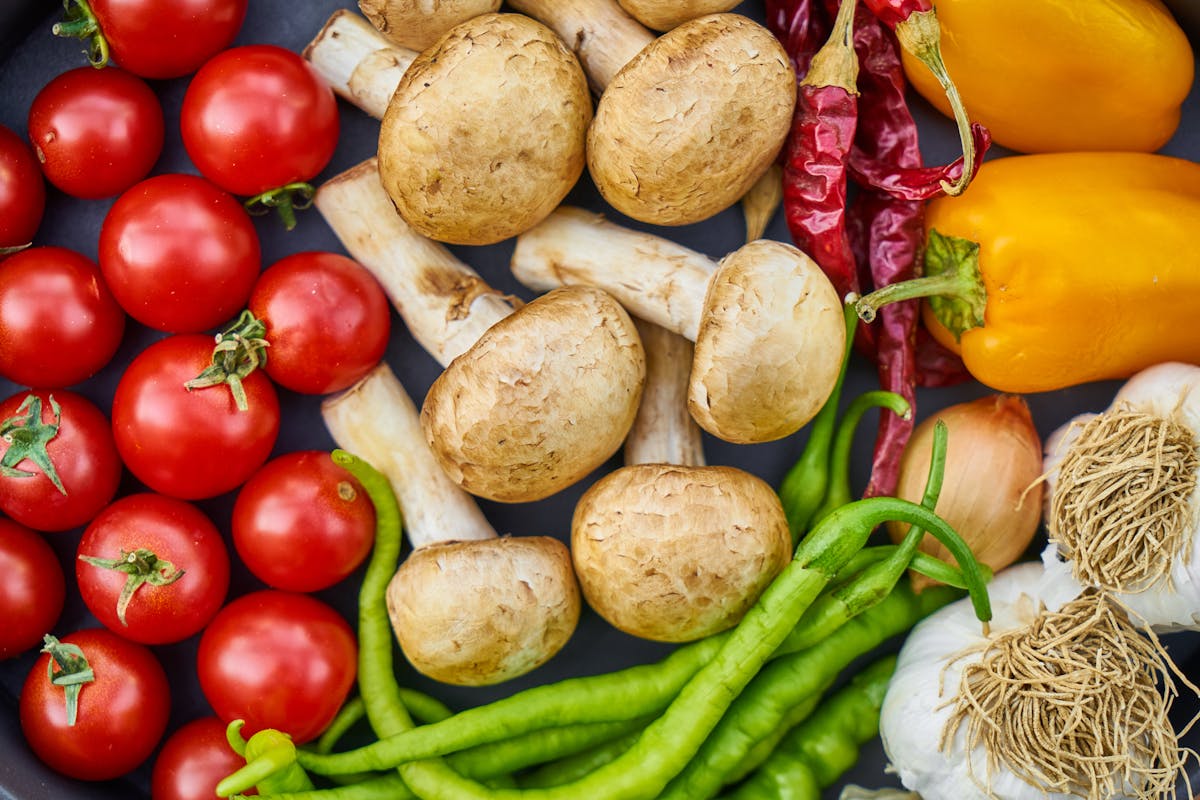
7. Tomatoes
Why: Rich in lycopene, a powerful antioxidant (higher in cooked tomatoes)
Bonus: Also high in vitamin C and potassium
8. Ginger
Why: Contains gingerol, which reduces inflammatory proteins
How to use: Fresh ginger tea, stir-fries, or supplements
9. Green Tea
Why: EGCG (a compound in green tea) reduces cartilage damage
How much: 2-3 cups daily
10. Dark Chocolate (70%+ cacao)
Why: Flavonoids reduce inflammation markers
Amount: 1-2 small squares daily (moderation is key!)

Patients following an anti-inflammatory diet report 30-40% reduction in joint pain within 4-6 weeks, without changing their exercise routine.
Foods That INCREASE Inflammation (Avoid These)
These foods trigger inflammatory responses and worsen joint pain:
- Refined carbohydrates: White bread, pastries, white rice
- Fried foods: French fries, fried chicken, samosas
- Sugary drinks: Soda, sweetened juices, energy drinks
- Processed meats: Hot dogs, sausages, deli meats
- Trans fats: Margarine, commercial baked goods
- Excessive red meat: Limit to once weekly
- Alcohol: More than 1-2 drinks daily increases inflammation
Sample Anti-Inflammatory Day
Breakfast: Oatmeal with berries, walnuts, ground flaxseed, and cinnamon
Mid-morning: Green tea and a small piece of dark chocolate
Lunch: Grilled salmon salad with mixed greens, tomatoes, cucumbers, olive oil dressing
Snack: Apple slices with almond butter or hummus with veggie sticks
Dinner: Turmeric chicken curry with cauliflower rice and roasted vegetables
Evening: Ginger tea
The Importance of Hydration
Water is often overlooked but crucial for joint health:
- Lubricates joints and cartilage
- Flushes out inflammatory waste products
- Supports nutrient delivery to joints
- Maintains cartilage structure
Target: 8-10 glasses (2-2.5 liters) daily, more if exercising or in hot weather.
Supplements Worth Considering
While food should be primary, these supplements can help:
- Omega-3 fish oil: 2000-3000mg daily (if not eating enough fish)
- Turmeric/Curcumin: 500-1000mg with black pepper
- Vitamin D: Get tested—most people with joint pain are deficient
- Ginger extract: 250-500mg daily
- Glucosamine: May help cartilage health (evidence is mixed)
Important: Always consult your doctor before starting supplements, especially if on medications.
Beyond Diet: Complete Pain Management
At Revive, we take a holistic approach combining:
- Nutritional guidance for inflammation reduction
- Targeted physiotherapy exercises
- Manual therapy for joint mobility
- Hijama therapy for stubborn inflammation
- Lifestyle modifications (sleep, stress, activity)
Remember: Diet alone won't cure arthritis, but combined with proper treatment, it can dramatically improve your quality of life and reduce your pain levels.
