

That shooting, burning pain radiating from your lower back down your leg—it's sciatica, and it's one of the most frustrating pain conditions to deal with. The good news? 80-90% of sciatica cases resolve without surgery when treated correctly.
Sciatica isn't a diagnosis—it's a symptom of your sciatic nerve being compressed or irritated. Understanding what's causing YOUR sciatica is the key to fixing it permanently.

What Causes Sciatica? (And Why It Matters)
The sciatic nerve is the largest nerve in your body, running from your lower back through your buttocks and down each leg. It gets irritated by:
- Herniated disc: Most common cause (45% of cases)
- Piriformis syndrome: Tight buttock muscle pinching the nerve
- Spinal stenosis: Narrowing of the spinal canal
- Degenerative disc disease: Wear and tear on spine discs
- Spondylolisthesis: Vertebra slipping forward
Why diagnosis matters: Different causes require different exercises. What helps a herniated disc might make piriformis syndrome worse.
6 Exercises for Sciatica Relief
Important: If any exercise increases leg pain, STOP immediately and consult a physiotherapist.
1. Nerve Flossing (Neural Gliding)
How: Lie on back, affected leg extended. Gently flex and point your foot while slightly bending/straightening your knee. Like flossing dental floss through your nerve.
Reps: 10-15 repetitions, 2-3 times daily
Why it works: Helps the nerve glide freely through tissues, reducing irritation.
2. Piriformis Stretch
How: Lie on back. Cross affected leg over opposite knee. Pull bottom leg toward chest until you feel stretch in buttock.
Hold: 30 seconds, 3 repetitions
Why it works: Releases tight piriformis muscle that may be compressing the nerve.
3. McKenzie Extension (Prone Press-Ups)
How: Lie face down. Press up onto forearms, then (if comfortable) to straight arms, arching your back.
Reps: 10 repetitions, hold 5 seconds each
Best for: Disc-related sciatica (helps push disc material away from nerve)
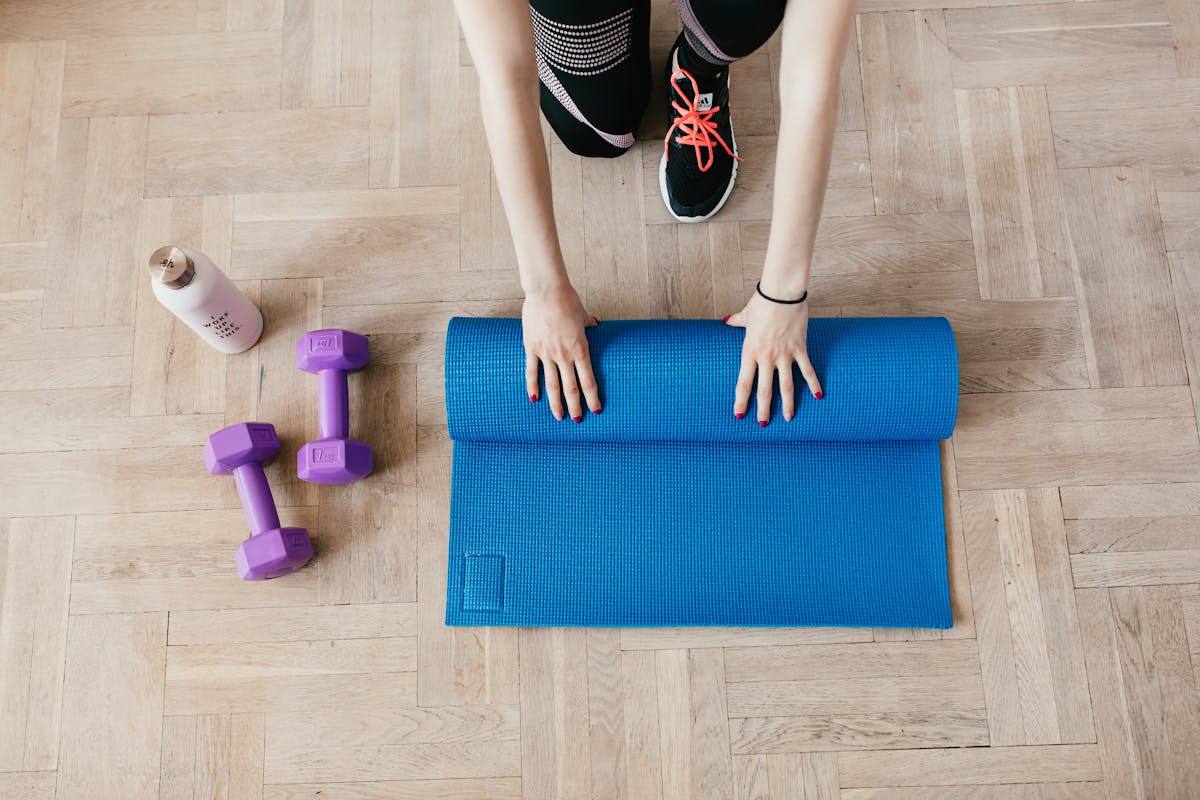
4. Child's Pose
How: Kneel, sit back on heels, reach arms forward on floor.
Hold: 30-60 seconds, breathe deeply
Why it works: Gently decompresses lower spine, provides relief for stenosis-related sciatica.
5. Seated Spinal Twist
How: Sit with legs extended. Cross one leg over, twist torso toward bent knee.
Hold: 20-30 seconds each side
Why it works: Mobilizes spine and releases tension in lower back muscles.
6. Pelvic Tilts
How: Lie on back, knees bent. Flatten lower back against floor by tilting pelvis.
Reps: 15 repetitions, hold 5 seconds
Why it works: Activates core stabilizers to support spine and prevent nerve compression.
Not all sciatica exercises work for everyone. Extension exercises help disc issues but might worsen stenosis. Professional assessment is crucial.
Immediate Pain Relief Strategies
While exercises address the root cause, try these for quick relief:
- Ice first 48 hours: 15 minutes on/off to reduce inflammation
- Heat after 48 hours: Relaxes tight muscles
- Avoid prolonged sitting: Puts maximum pressure on discs
- Sleep position: On your side with pillow between knees
- Walking: Short walks can reduce pain (avoid if it makes it worse)
How Physiotherapy Treats Sciatica
At Revive, our comprehensive approach includes:
- Precise diagnosis: Identifying exact cause through assessment
- Manual therapy: Spinal mobilization and soft tissue release
- Neural mobilization: Specific techniques to free the nerve
- Core strengthening: Preventing recurrence
- Hijama therapy: Reduces inflammation around affected area
- Posture correction: Addressing habits that compress the nerve
When Is Surgery Needed?
Most sciatica resolves with conservative treatment. Surgery is only considered if:
- Severe, progressive weakness in leg
- Loss of bowel/bladder control (medical emergency!)
- No improvement after 6-8 weeks of proper treatment
- Unbearable pain affecting quality of life
Prevention: Stop Sciatica from Returning
Once you're pain-free, these habits prevent recurrence:
- Maintain strong core and back muscles
- Practice proper lifting technique (bend knees, not back)
- Take breaks from sitting every 30 minutes
- Maintain healthy weight
- Stay active with low-impact exercises
- Stretch hip flexors and hamstrings daily
Suffering from sciatica? Don't wait for it to become chronic. Book a consultation at Revive for proper assessment and personalized treatment plan.

